














“If we do this, ten years from now our schoolchildren will not know or care when George Washington was born. They will know that in the middle of February they will have a three-day weekend for some reason. This will come.” – Gale In Context, said by Dan Heflin Kuykendall (1924-2008), in response to moving the date of Presidents Day.
Whether you agree or disagree with Kuykendall’s quote, a flash from the past- The history of Presidents Day is something that would make for a telling trivia game.
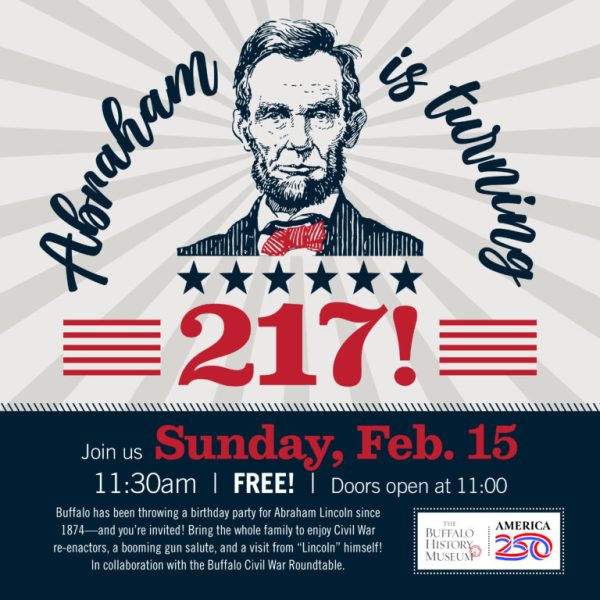
It is commonly accepted that Presidents’Day combines the birthdays of George Washington and Abraham Lincoln; retrospectively, it was an unimaginable reality and was frequently debated.
The earliest record of Presidents Day being celebrated falls to New York City in 1784.
Because the British used the Julian calendar, Washington’s birthday was originally Feb. 11, 17
31, until the conversion to Gregorian pushed it back 11 days (Feb. 22, 1731). Around the same time as this change (~ late 1870s), Senator Steven Wallace Dorsey suggested making the day official and such was later signed into law by President Rutherford B. Hayes. This was later tweaked further by Pres. Chester A. Arthur, who made it so that all offices in the states would close on the holiday.
Around the end of Arthur’s term, is when Presidents’ Day was officially celebrated as a federal holiday and onward, there was no further debate until 1968, when the Uniform Monday Holiday Bill moved a lot of federal holidays to be on Mondays (this was done to create longer weekends); however, during this conference, another request to change the day to honor both Washington and Lincoln was rejected.
Three years later, in 1971, the honoring of both presidents became “accepted” by the government- this was mostly as a result of and with the intention of promoting sales around the holiday.
Fun facts: Lincoln’s birthday was originally celebrated by a pharmacist, Julius Francis, from Buffalo,
New York.
On Presidents Day, Arkansas pays tribute to presidents and Daisy Gatson Bates, a civil rights leader, who played a significant role in the integration of Little Rock Central High School.